
Space Force awards first contracts for satellite threat warning radar payloads
Space RCO is already looking to start a follow-on effort to build smaller threat warning sensors for a wider set of Space Force birds.
Space RCO is already looking to start a follow-on effort to build smaller threat warning sensors for a wider set of Space Force birds.

The rollout of a new acquisition model could reshape entities like the Space Development Agency or Space Rapid Capabilities Office, though their missions will persist, Gurpartap (GP) Sandhoo told reporters.

The goal of such weaponization is to tie warfighter needs to the RDT&E cycle.

The Space Rapid Capabilities Office already is seeing an impact from the congressional impasse on reauthorizing Pentagon use of Small Business Innovation Program grants, Director Kelly Hammett said.
The plan is to award two vendors 24-month Direct to Phase II SBIR grants worth $3M each to demo low-cost, low-weight radars on Space Force satellites in geosynchronous Earth orbit.

"[T]his capability is so important to where we're headed in the next couple of years, with having the capacity to make the SCN [Satellite Control Network] stand up to all the new systems that are coming and all the new mission requirements that they're going to have," Hammett told Breaking Defense.
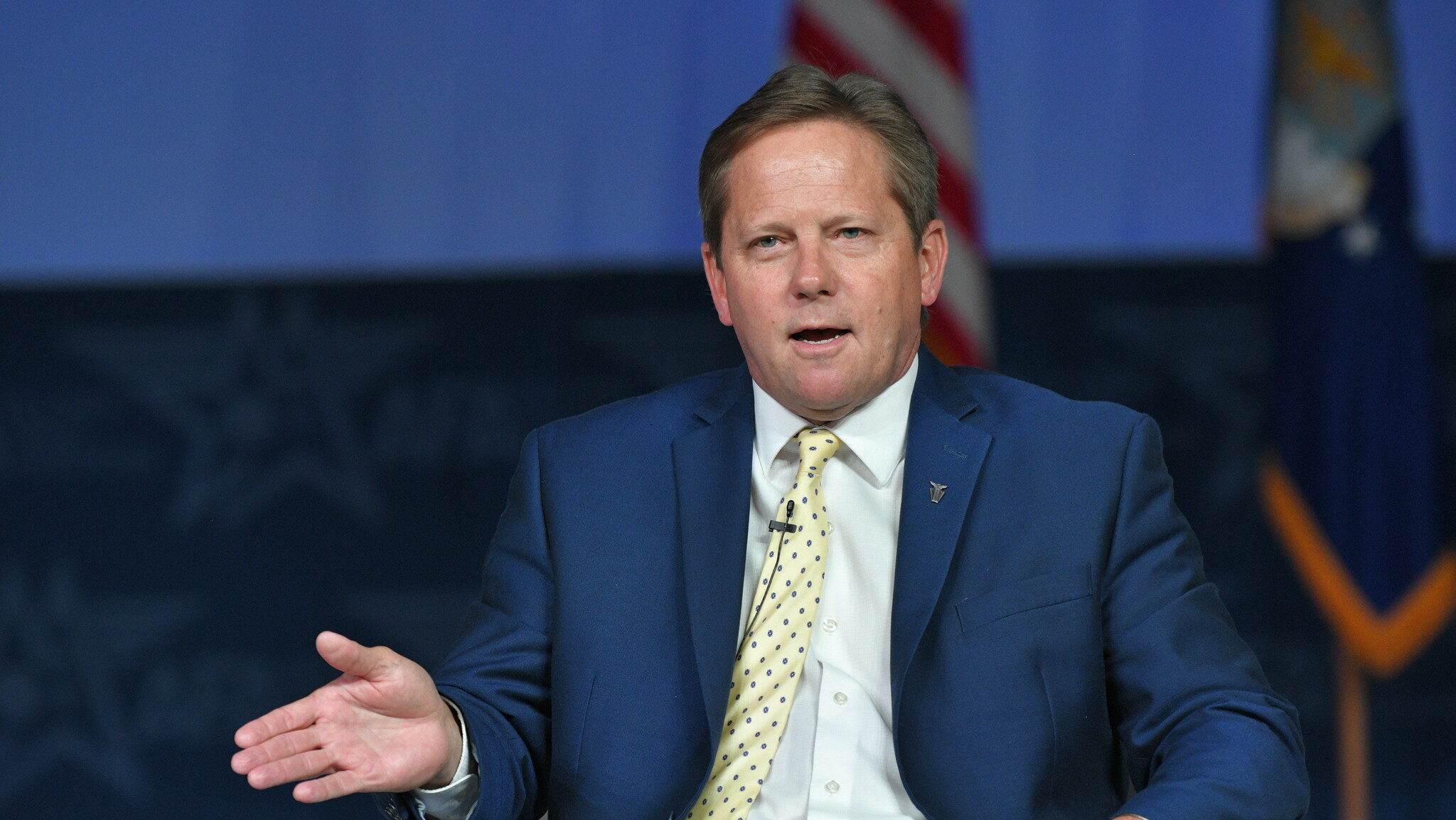
Space RCO Director Kelly Hammett envisions that his shop will feed tech into the Space Force's new effort to contract commercial firms to replace the Geosynchronous Space Situational Awareness Program (GSSAP) satellites for monitoring the heavens.


As threats continue to evolve, speed will increasingly depend on what is already available when the need emerges.

Kelly Hammett, director of the Space Rapid Capabilities Office, said his organization risks being “inordinately impacted" by workforce reductions underway with the Trump administration.

'I think there [are] things that we will need to be able to, I guess I'll say, 'dogfight' in space," Lt. Gen. Doug Schiess, commander of Space Forces - Space, the Space Force unit that undertakes operations for US Space Command, told reporters on Wednesday.
"I'm not criticizing ATLAS, but on the record, if it doesn't get there on time, I'm gonna find an alternative, because that's why I exist," Space RCO Director Kelly Hammett told Breaking Defense.

The new office, led by Claire Leon, will work to integrate acquisition programs across Space Systems Command, the Space Development Agency and the Space Rapid Capabilities Office, Breaking Defense has learned.


Decentralized Embodied Collaborative intelligence enables better reconnaissance, logistics and combat capabilities.

Under the contract, SpRCO's Rapid Resilient Command and Control project, nicknamed R2C2, will buy ground software in "bite-sized pieces" to support new Space Force satellites capable of rapid and sustained maneuver.
Space Rapid Capabilities Office Director Kelly Hammett declined to share much about the new "threat warning" sensors, but gave updates on other closely held programs.
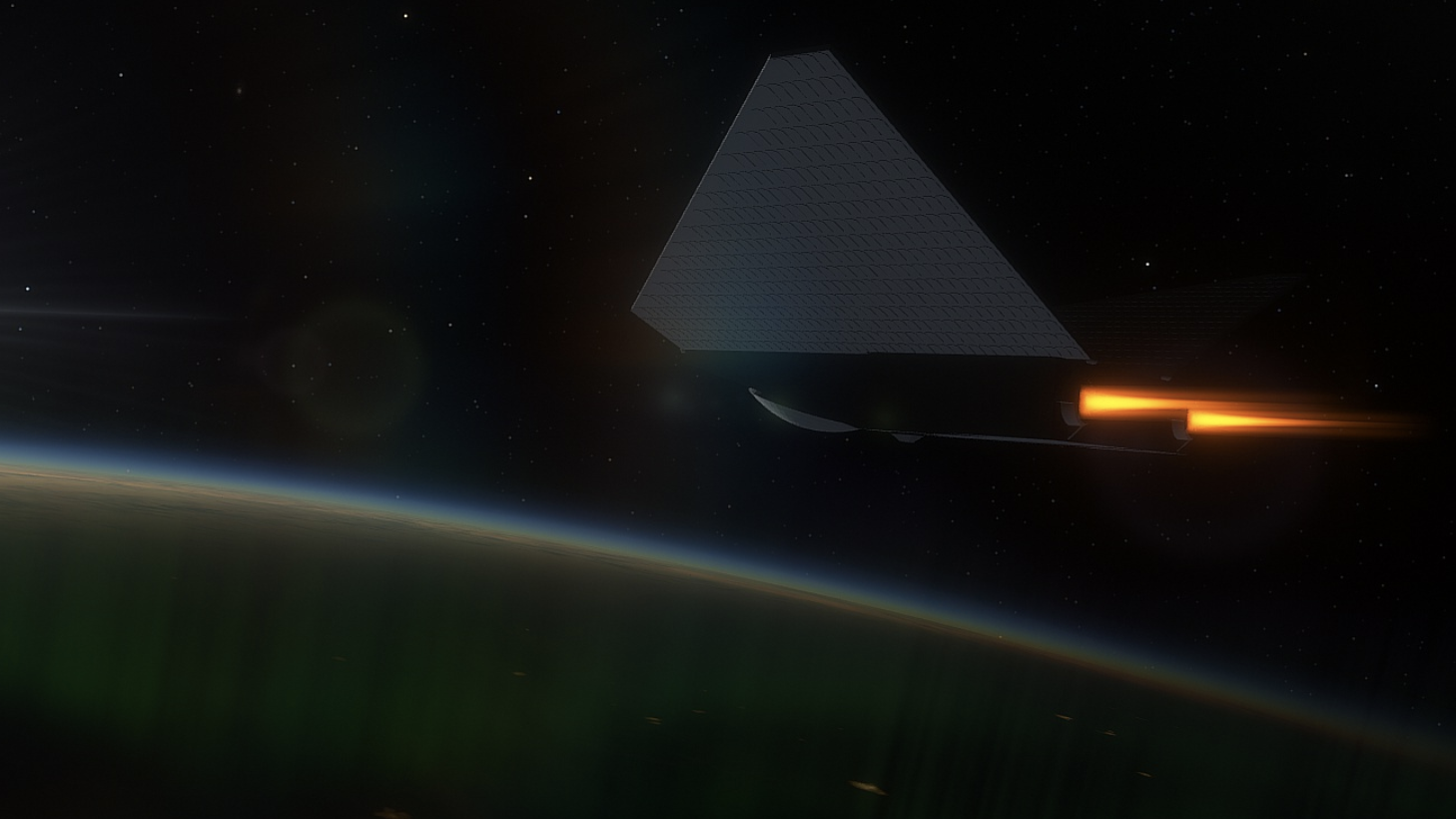
"Right now, the position of my combatant commander is: 'I wanna move, I wanna refuel, I wanna have life-extension and I wanna live'," SpRCO Director Kelly Hammett told Breaking Defense.
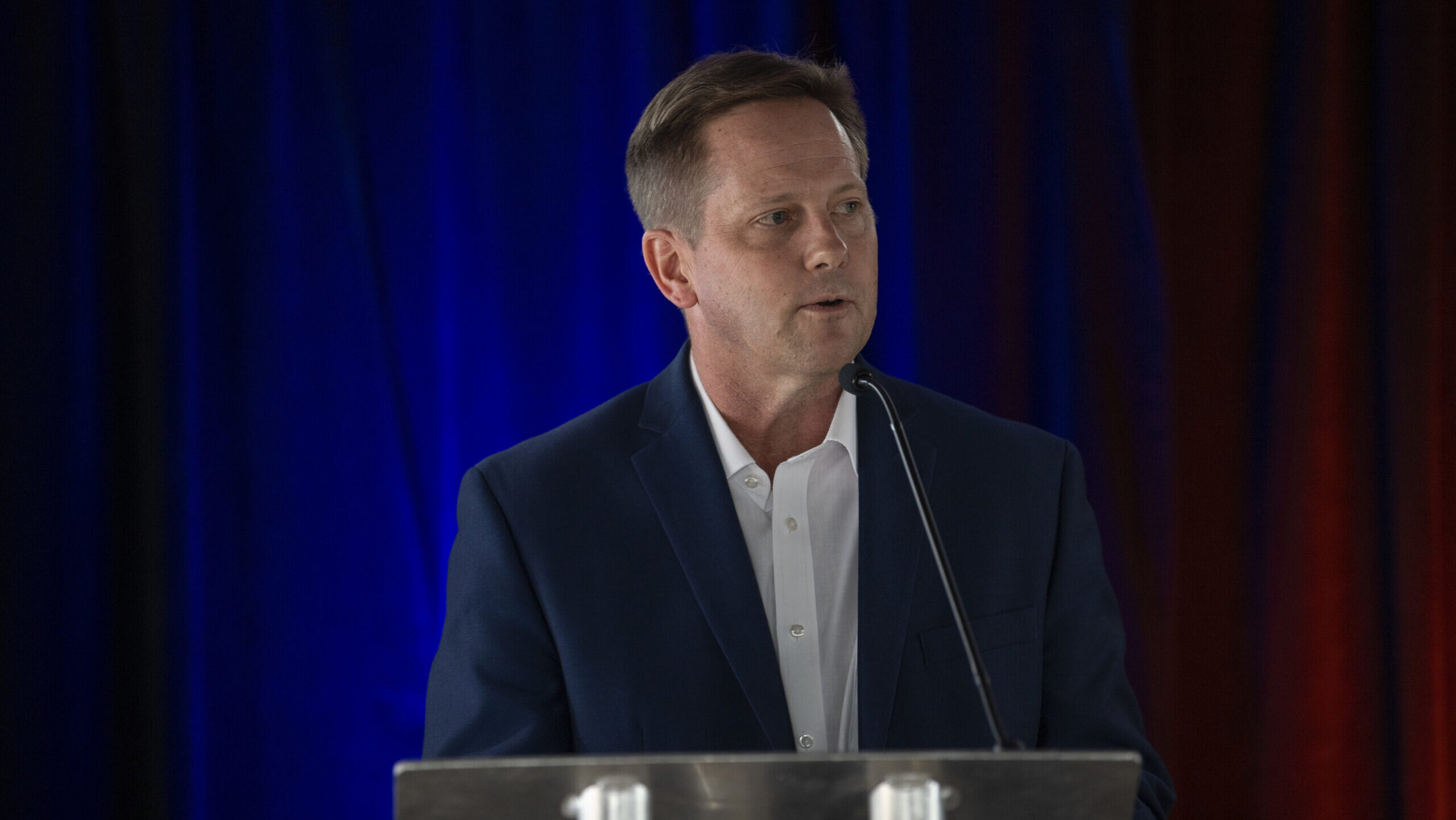
A future challenge for the R2C2 program will be figuring out how it fits under the Pentagon's overarching Joint All Domain Command and Control (JADC2) efforts, Kelly Hammett, director of the Space Rapid Capabilities Office, told Breaking Defense.